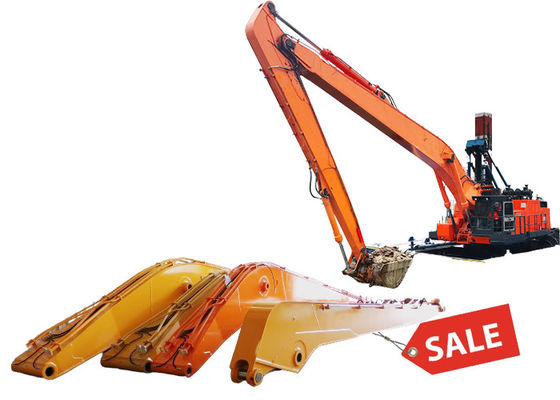
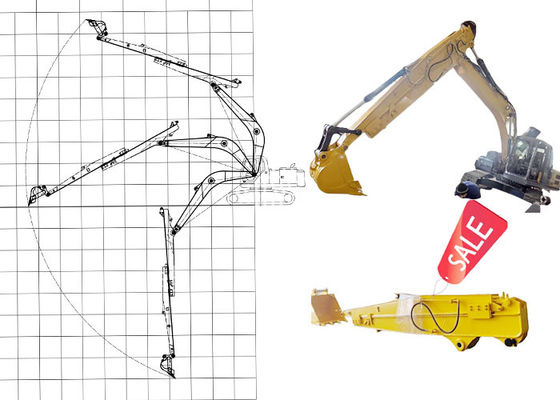
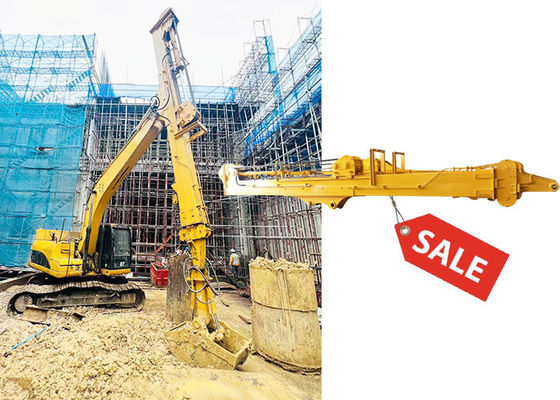
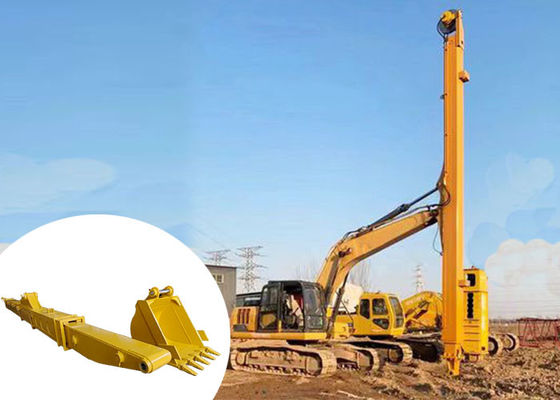
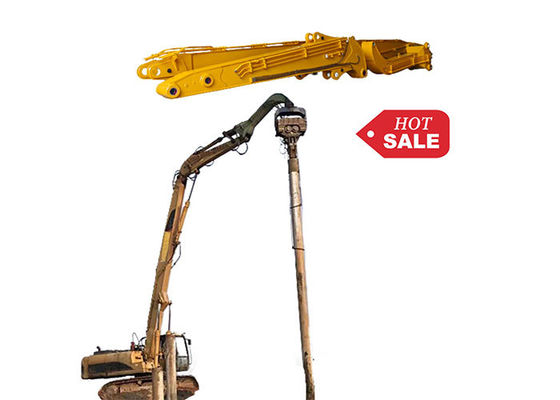
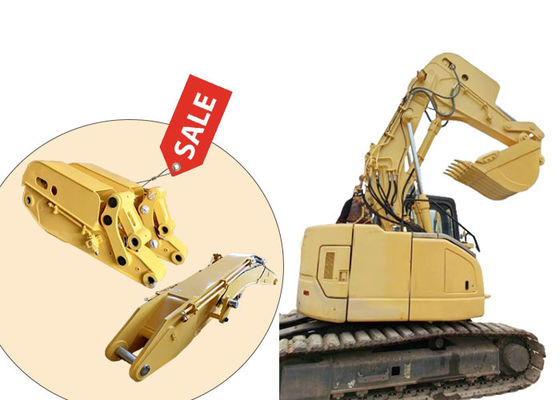
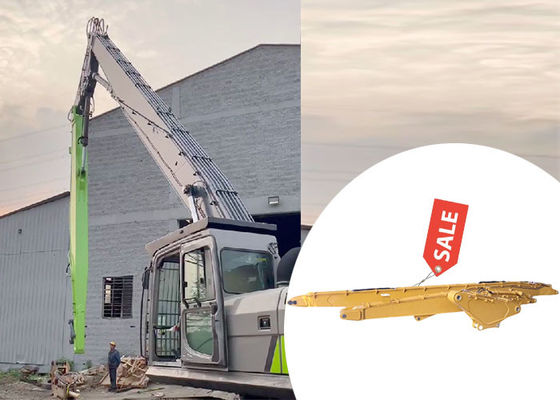
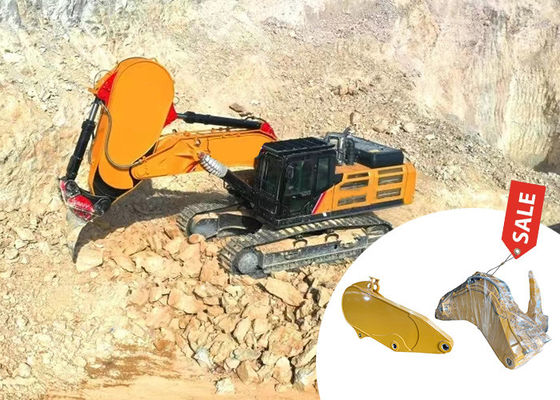
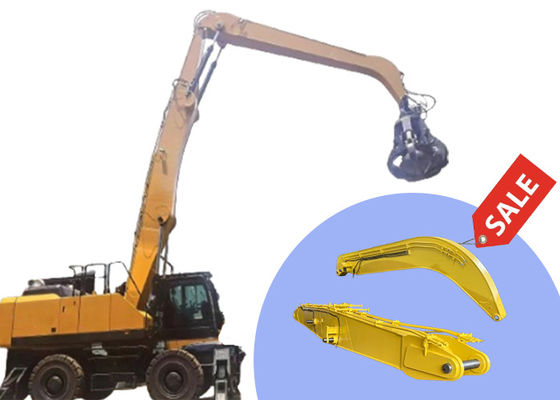
Al actualizar una excavadora con implementos especializados como un pluma de largo alcance, un brazo telescópico o un brazo de túnel, muchos operadores se centran únicamente en el alcance y la profundidad de excavación. Sin embargo, a menudo se pasa por alto el factor más crítico para garantizar una operación segura y eficiente: el contrapeso de la excavadora.
Simplemente atornillar un brazo más largo sin ajustar el equilibrio de la máquina es una receta para el desastre. Comprender la física y la mecánica detrás de la adición de contrapeso adicional es esencial para cualquier operador de equipo pesado o gerente de flota. Aquí está la guía definitiva sobre los principios de la adición de contrapeso de excavadora.
1. La Física de la Palanca: Por Qué los Contrapesos Estándar No Son Suficientes
Una excavadora opera sobre un delicado equilibrio de palanca. El contrapeso instalado de fábrica está diseñado con precisión para compensar el peso de la pluma, el balancín y el cucharón estándar dentro de un radio de trabajo específico.
Cuando instala un brazo de excavadora de largo alcance o una pluma telescópica, el radio de trabajo aumenta drásticamente. Incluso si el implemento en sí es ligero, la fuerza del momento (palanca) aumenta exponencialmente a medida que el cucharón se extiende más allá del centro de gravedad de la máquina. Sin contrapeso adicional, la excavadora se vuelve severamente "pesada en la parte delantera", lo que lleva a:
- Riesgo de vuelco hacia adelante: las orugas traseras pueden levantarse fácilmente del suelo cuando el cucharón está completamente cargado en la extensión máxima.
- Inestabilidad de giro: una máquina con peso en la parte delantera girará de manera desigual, lo que provocará un frenado retardado y reducirá la precisión del operador.
- Estrés estructural: el peso excesivo en la parte delantera ejerce una tensión anormal sobre el rodamiento de giro, el tren de rodaje y los cilindros hidráulicos, acelerando el desgaste.
2. Principios Fundamentales de la Adición de Contrapeso Adicional
Agregar peso adicional a una excavadora no se trata de hacer la máquina lo más pesada posible; se trata de restaurar el centro de gravedad óptimo. El cálculo depende de tres variables principales:
A. Longitud de la Pluma y el Balancín
Cuanto más largo sea el brazo, más contrapeso se requerirá. Por ejemplo, un brazo de largo alcance de 10 metros puede requerir solo una adición de peso moderada, mientras que una configuración de 15 o 20 metros exige un lastre trasero sustancial para compensar de manera segura la palanca extendida.
B. Tipo y Peso del Implemento
Los diferentes brazos especializados tienen diferentes perfiles de peso. Un brazo de túnel a menudo está diseñado para ser más corto y compacto para espacios confinados, lo que puede requerir menos contrapeso adicional en comparación con una pluma telescópica masiva utilizada para zanjeo profundo o acabado de pendientes. Además, si la máquina está equipada con implementos hidráulicos pesados (como un pulgar mecánico, una cuchara bivalva o un martillo hidráulico), este peso en la parte delantera debe tenerse en cuenta en el cálculo del contrapeso.
C. Densidad del Material
La aplicación prevista dicta el equilibrio requerido. El dragado de arena, limo o lodo requiere menos fuerza de elevación y, por lo tanto, menos contrapeso. Por el contrario, el manejo de arcilla densa, rocas o escombros de demolición requiere un contrapeso más pesado para mantener la estabilidad durante las fases de elevación y giro.
3. Métodos Seguros para Agregar Contrapesos de Excavadora
Cómo agrega el peso es tan importante como cuánto peso agrega. Una modificación inadecuada puede comprometer la integridad estructural del carro superior.
- Placas de acero atornilladas: el método más seguro y común es usar placas de acero de alta calidad (como Q345 o equivalente) atornilladas de forma segura al contrapeso existente o a un soporte de montaje personalizado. Esto permite una fácil extracción cuando la máquina vuelve a la configuración estándar.
- Contrapesos fundidos personalizados: para configuraciones de excavadoras de largo alcance extremas, los fabricantes a menudo producen contrapesos sobredimensionados y fundidos a medida diseñados específicamente para el perfil de palanca del brazo extendido.
- Adición de peso interno: algunos operadores perforan contrapesos huecos o rellenos de concreto y llenan las cavidades con materiales de alta densidad como plomo o perdigones de acero. Nota: Esta es una modificación permanente y solo debe ser realizada por profesionales certificados.
Advertencia de seguridad: Nunca suelde peso adicional directamente al contrapeso original ni confíe únicamente en pernos de montaje extendidos. La soldadura puede alterar la metalurgia y causar fallas estructurales, mientras que los pernos extendidos son propensos a cortarse bajo cargas dinámicas. Utilice siempre soluciones de montaje diseñadas.
4. Elegir el Brazo Especializado Adecuado para Su Proyecto
Equilibrar su excavadora comienza con la selección del equipo adecuado para el trabajo. En [Nombre de su empresa], fabricamos implementos premium diseñados teniendo en cuenta el peso y el equilibrio:
- Plumas de largo alcance: ideales para dragado de ríos, zanjeo profundo y modelado de pendientes. Proporcionamos recomendaciones precisas de contrapeso basadas en la longitud exacta de su pluma y el tamaño del cucharón.
- Brazos telescópicos: perfectos para aplicaciones versátiles que requieren alcance variable sin cambiar de implemento. Nuestros diseños optimizan la relación resistencia-peso para minimizar la necesidad de contrapesos excesivos.
- Brazos de túnel: diseñados para espacios confinados, minería subterránea y excavación de túneles. Su diseño compacto garantiza la máxima maniobrabilidad al tiempo que mantiene capacidades de elevación seguras.
Conclusión
Nunca comprometa la estabilidad. Ya sea que esté operando una excavadora de largo alcance, una pluma telescópica o un brazo de túnel, la gestión adecuada del contrapeso es la clave para maximizar la productividad y garantizar la seguridad en el lugar de trabajo.


 ¡Su mensaje debe tener entre 20 y 3.000 caracteres!